
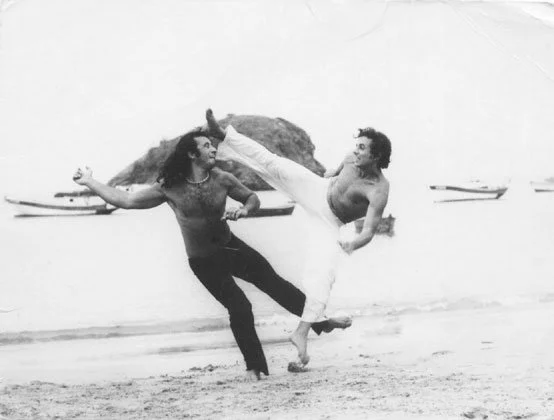
How Body Movement in Capoeira Has Developed and Improved Through the Years
If you've ever watched two capoeiristas circle each other inside a roda (pronounced ho-dah), you'll know it's unlike anything else in the martial arts world. One moment it looks like a fight, the next it looks like a dance, and somewhere in between there's a cartwheel, a handstand, and a near-miss kick delivered with pinpoint control.
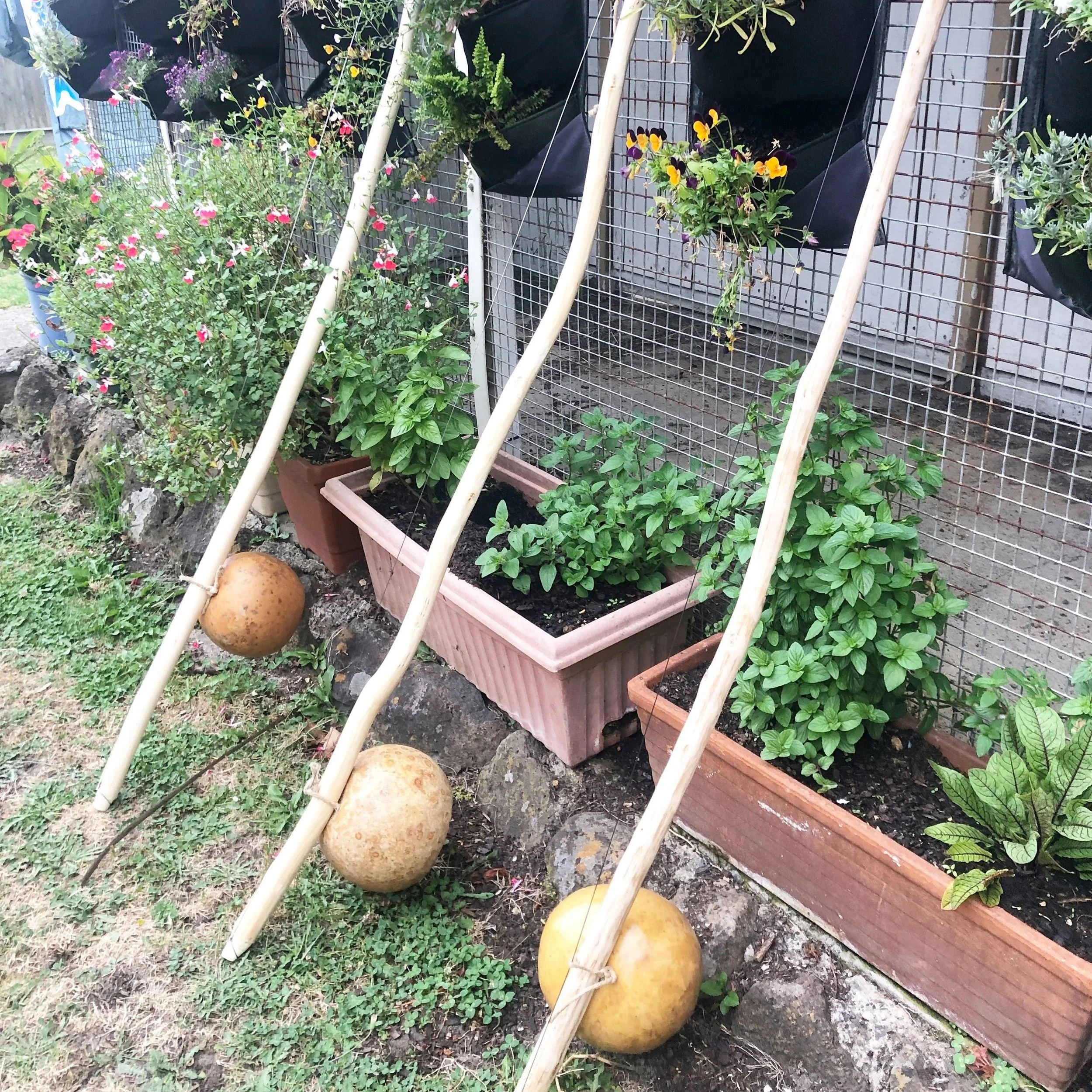
Why Capoeira Can't Be Learned Through Physical Practice Alone: The Role of Music and History
Ask someone who's never tried Capoeira what it is, and you'll usually get one of two answers: "It's a martial art" or "It's like a dance-fight thing." Both are true, but both miss something essential. Capoeira isn't just movement. It's a living conversation between music, history, community and the body. Skip the music and history, and you're not really practising Capoeira at all. You're just doing acrobatic kicks to no particular purpose.
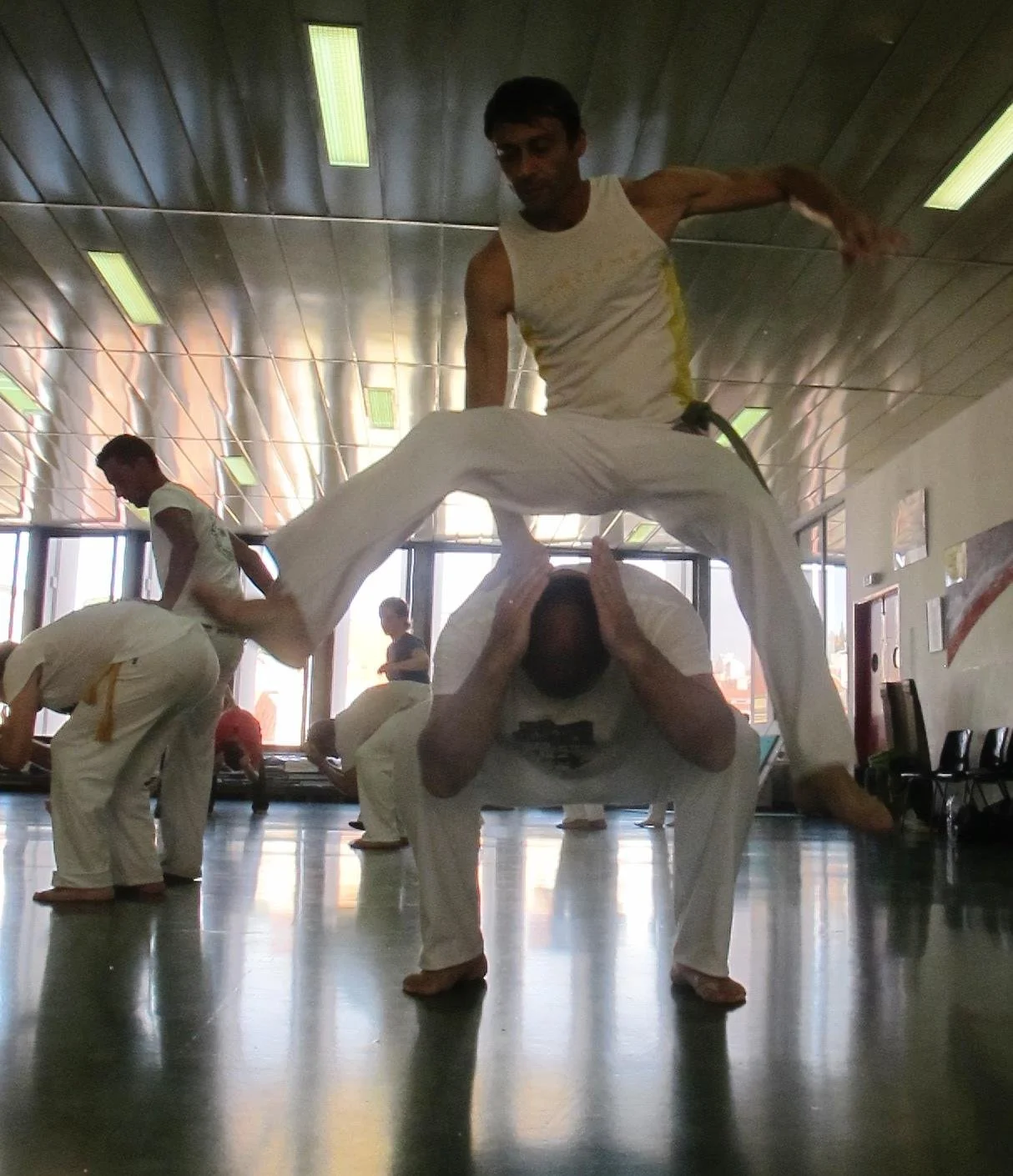
Would Capoeira Be a Good Fit for the Olympic Games? Exploring Both Sides of the Debate
Every few years, as the Olympic program is reviewed and new sports are added or dropped, the same question resurfaces in the global Capoeira community: should Capoeira be an Olympic sport? Breaking made its debut at the Paris 2024 Games, proving that culturally rooted, rhythm-based movement disciplines can find a home on the Olympic stage. So why not Capoeira?
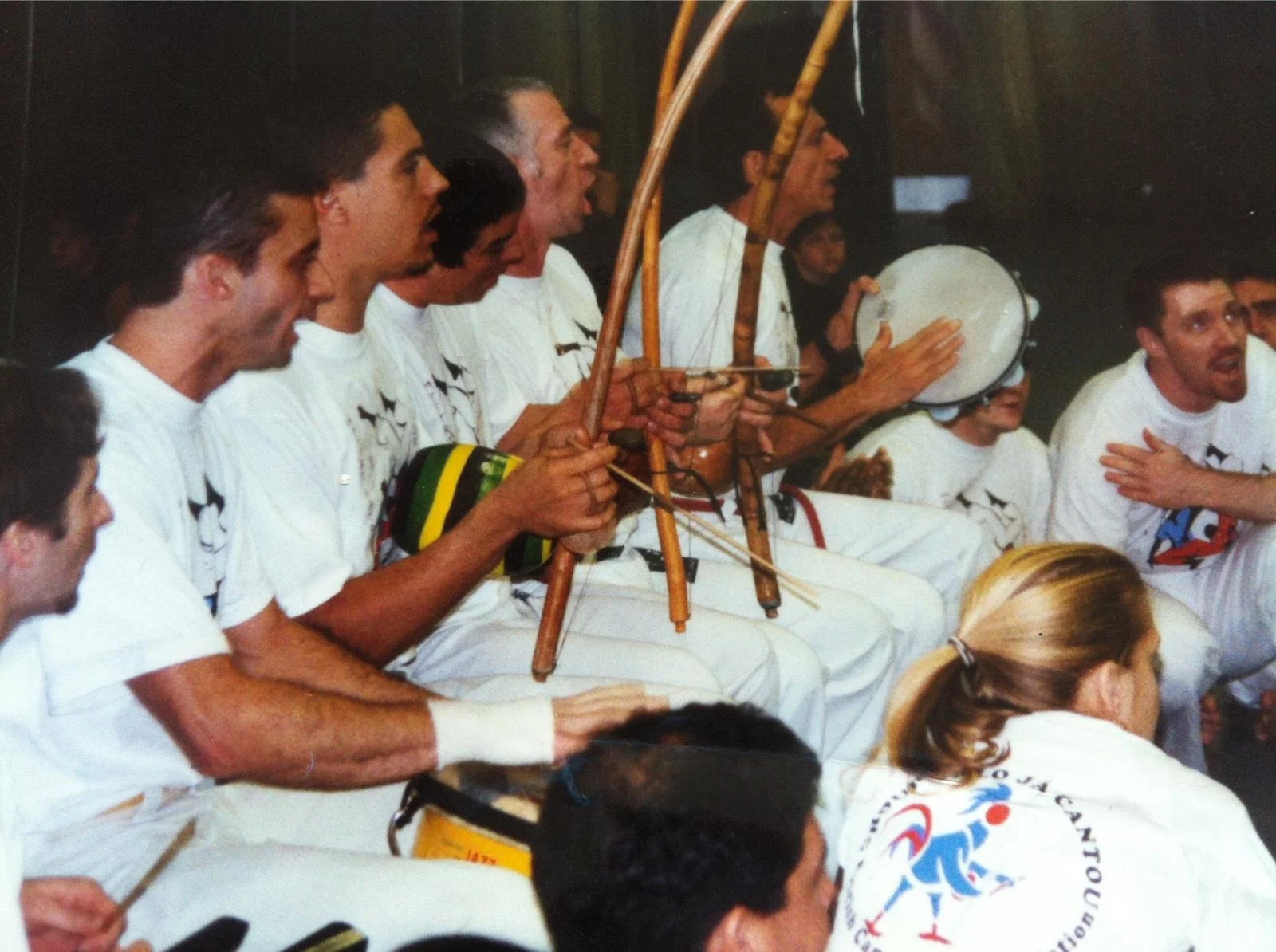
The Cognitive Benefits for Kids from Learning Capoeira
What often gets overlooked is just how much Capoeira does for a child's brain. Because Capoeira combines music, memory, language, social interaction, strategy and complex movement all at once, it's one of the most cognitively rich activities a child can take part in arguably more so than most conventional sports or single-discipline martial arts.